Resolve the biology behind drug response
Cytos™ captures transcriptome, morphology, and protein changes from the same cells to build a multidimensional view of drug response.
.png?width=1980&height=1311&name=Hero_Web_cell_Drug_Scrng%20(1).png)
 |
Hit confirmation Confirm phenotypes before advancing into lead optimization. |
 |
On- vs. off-target activity Distinguish on-target effects from off-target and non-specific stress responses. |
 |
Mechanism of action |
|
Toxicity screening |
 |
Lead optimization |
|
Heterogenous response resolution |


Drug response is multidimensional. Today's assays capture only part of the picture.
Morphology, protein, and transcriptomic assays each reveal a different dimension of how cells respond to treatment. Connecting these separate measurements is critical to build a more complete picture of efficacy, mechanism, and toxicity.
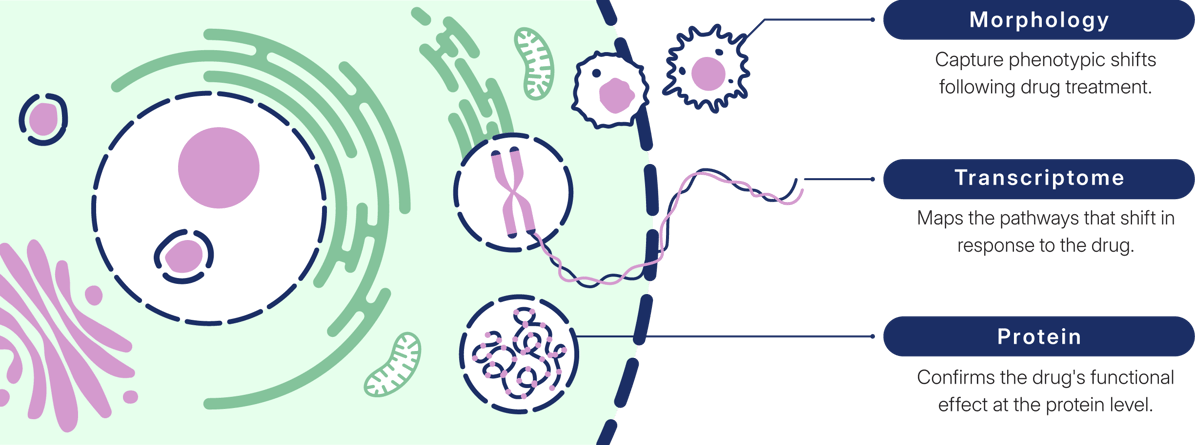
Cytos connects every dimension of drug response
Bring morphology, protein, and transcriptomics together in a single integrated workflow to connect cellular phenotype with the mechanisms driving response. Generate deeper insights from every screen to qualify leads with greater confidence, while replacing multiple disconnected assays with one streamlined experiment.
 |
|
|
| Same-cell, multimodal profiling Capture morphology, transcriptome and protein data from the same cells instead of piecing together results from separate assays. |
Link phenotype to mechanism |
Accelerate time to insight |


Explore multimodal drug screening with Cytos
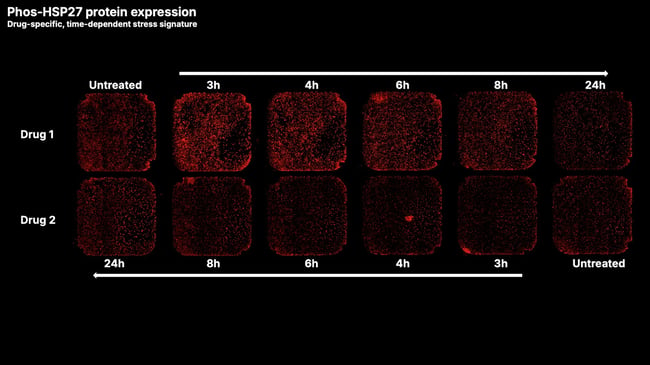 |
EXPERIMENTAL DESIGN Profile compound, dose, and time-dependent responsesExplore up to 96 conditions in a dual-sided run. Capture morphology, protein, and RNA together to generate a multidimensional view of drug response without running separate assays. |
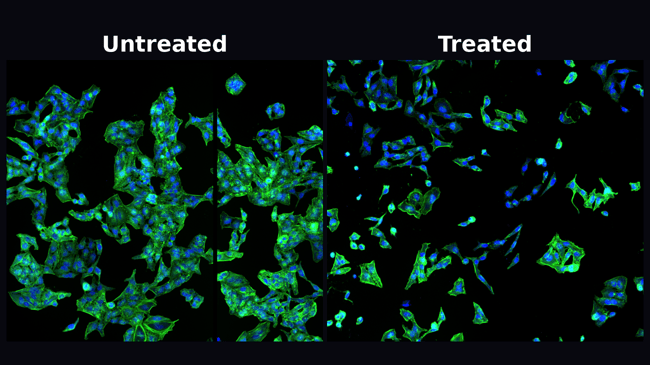 |
MORPHOLOGY Rapidly identify compounds that drive a phenotypic responseQuantify treatment-induced changes in cell morphology to distinguish active compounds and characterize dose-dependent responses. Resolve heterogenous responses at single-cell resolution to identify phenotypes that population-level measurements may miss. |
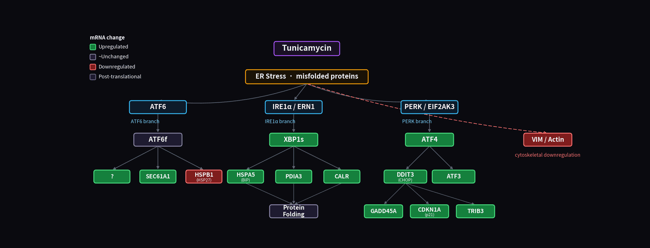 |
3' TRANSCRIPTOME Discover the pathways driving drug responseSequencing the 3' transcriptome directly in cells to reveal pathways and cellular programs altered by treatment. Discover mechanisms, stress responses, and potential off-target effects without separate library preparation. |
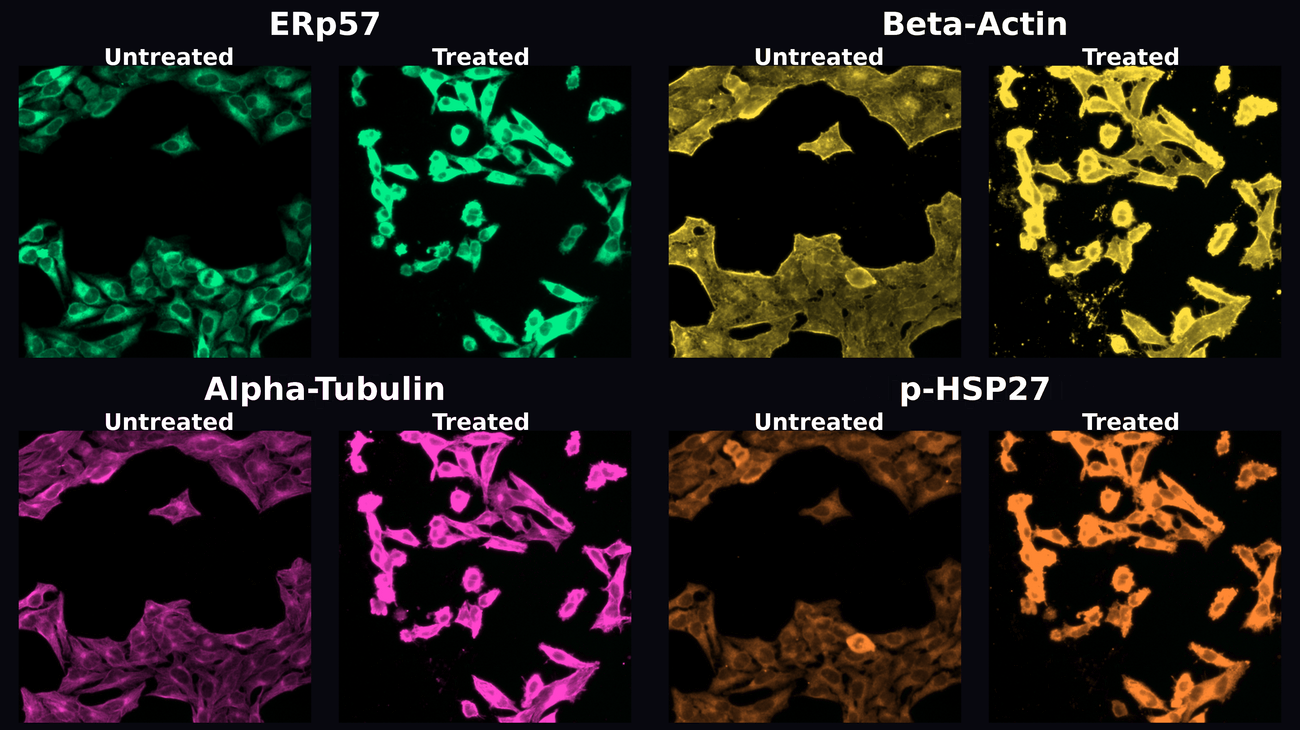 |
PROTEIN Measure protein activity where it happensMeasure treatment-induced changes in protein abundance, activation, and localization at single-cell resolution. Confirm pathway engagement and connect molecular changes to phenotypes observed in your screen. |
From compounds to conclusions
|
|
 |
 |
 |
 |
|
Drug or compounds treatment |
Culture and fix cells Culture cells directly on AVITI24™ slides & perform fixation |
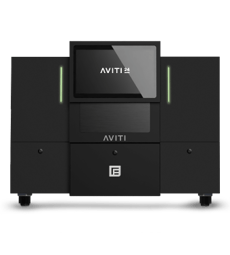
Image and sequence Onboard imaging, Direct in Sample Sequencing, & analysis |
Secondary analysis Automated secondary pipelines |
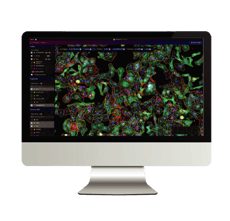
Visualize and interpret Multimodal visualization and downstream analysis |

Flexible workflows to power your drug screen
| Morphology 4-plex |
Protein 20-plex |
Transcriptome 3' poly-A |
|
| Cytos 3' Transcriptome | ✔️ | ✔️ | ✔️ |